Bitcoin Mining Farm UAE Returns and Reality
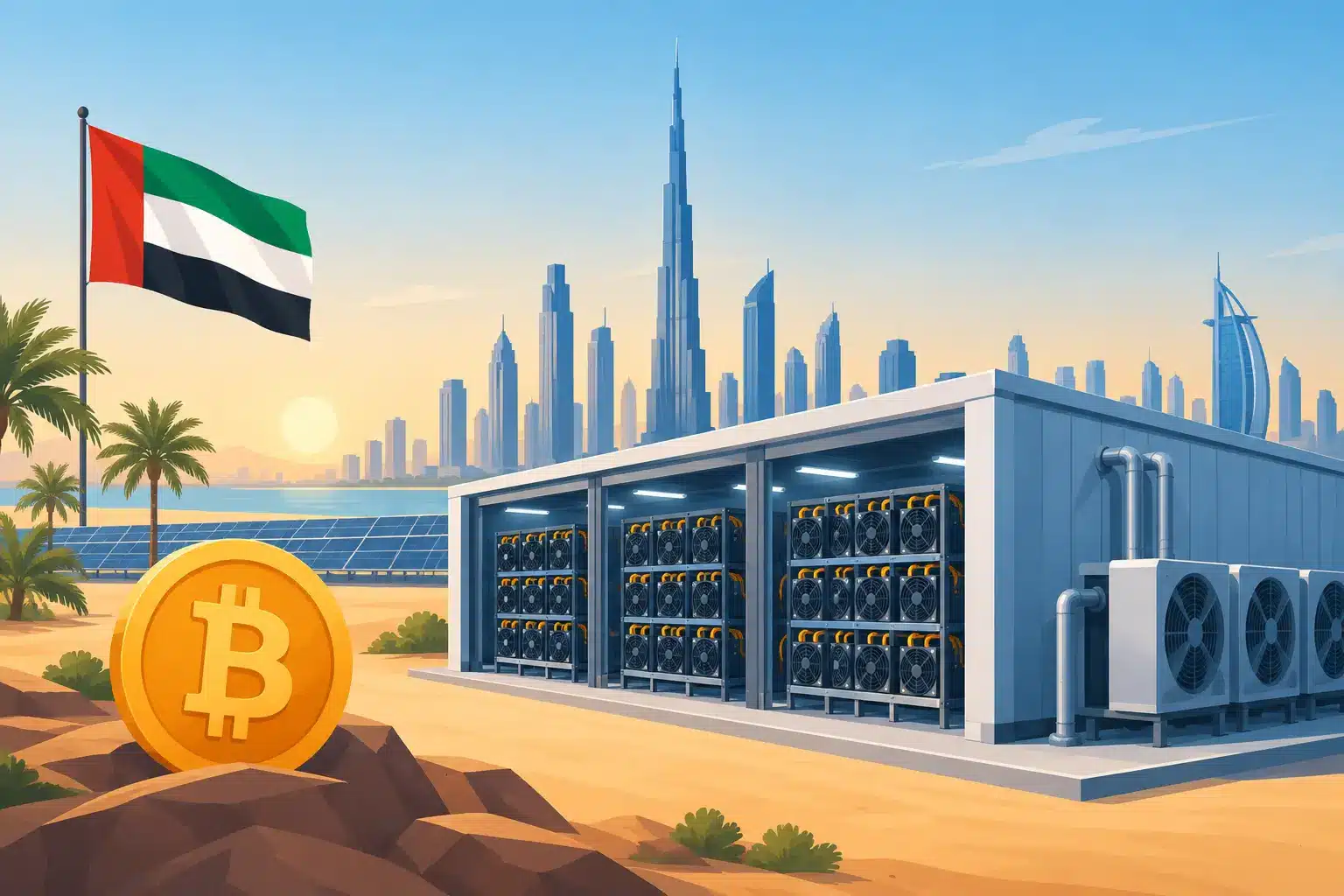
A bitcoin mining farm UAE investors choose should be judged less by the number of machines on site and more by what happens after they switch on. ASICs only produce value when power, cooling, network connectivity, security and technical response all work together without expensive interruptions. For a single miner or a fleet of hundreds, mining is an infrastructure operation first and an investment strategy second.
The UAE has become a serious location for mining infrastructure because it combines strong logistics, business connectivity and a growing appetite for high-performance digital infrastructure. That does not mean every facility delivers the same outcome. Electricity terms, heat management, deployment standards and support coverage can change the economics materially.
What makes a UAE bitcoin mining farm viable?
Bitcoin mining revenue begins with hashrate, but realised returns depend on efficiency and uptime. A machine with an attractive advertised hashrate is not automatically a good asset if it spends long periods offline, runs too hot, or faces unclear electricity charges.
For investors, the key calculation is straightforward: expected BTC output must exceed the total cost of operating the machine over time. The inputs are less simple. Bitcoin price, network difficulty, transaction fees, machine efficiency, electricity cost, pool fees, repair costs and downtime all influence the result. No hosting provider can remove market volatility, but a well-run facility can control a large part of the operational side.
A credible mining farm should therefore provide clear answers on the power rate, billing structure, hosting term, expected deployment window, curtailment conditions, maintenance process and access to monitoring data. If a proposal relies only on headline profitability, it is incomplete.
Power is the operating foundation
Electricity is normally the largest ongoing expense in ASIC mining. A difference of a few fils or cents per kWh can have a significant effect across a year, especially for high-consumption models such as the Antminer S21 series and similar latest-generation units.
The advertised kWh rate is not the only number that matters. Investors should establish whether the price includes infrastructure, cooling, management, taxes where applicable and any minimum consumption commitments. They should also understand whether the rate is fixed, indexed, subject to seasonal changes, or based on a power purchase agreement.
Low-priced power is valuable only when it is available consistently. A facility must have properly designed electrical distribution, protection systems and capacity planning. Overloaded circuits, poorly managed load balancing and delayed fault response can turn cheap energy into costly lost hashrate.
Heat management protects the asset
The UAE climate makes cooling design a commercial issue, not a cosmetic one. ASICs convert a substantial portion of their electrical input into heat. Without controlled airflow and regular cleaning, high temperatures can cause thermal throttling, fan failures, board faults and shorter equipment life.
Air-cooled hosting can perform well when the data centre has adequate ventilation, filtration, containment and temperature management. It is often the practical choice for standard ASIC portfolios, particularly where simplicity and capital discipline matter most.
Hydro-cooling offers a different route for higher-density operations. It can support more concentrated deployments and improved thermal control, but it requires purpose-built infrastructure, correct water treatment, skilled commissioning and a clear maintenance plan. It is not automatically the better option for every investor. The right choice depends on machine type, site design, scale, power density and long-term expansion plans.
Deployment speed matters, but commissioning matters more
A miner sitting in a warehouse is not earning. Fast procurement, customs handling, installation and configuration are valuable, particularly when market conditions favour getting online quickly. Yet rapid deployment should never mean rushed commissioning.
Each unit should be inspected, racked, connected, configured to the selected pool, tested under load and recorded in a management system. Serial numbers, hashrate performance, temperature readings and wallet or pool settings need to be handled accurately from the start. These details prevent avoidable disputes and make future maintenance far easier.
For smaller portfolios, managed hosting removes the burden of finding a suitable site, arranging electricians and responding to faults. For fleet operators, the same principle applies at a larger scale: deployment needs a documented process, capacity reservation and a realistic timeline for energisation.
BitHash approaches this as an end-to-end operating task, covering ASIC sourcing, installation, monitoring and after-sales support rather than treating hardware delivery as the final step.
Transparency should extend beyond the monthly invoice
Mining hosting is often sold as a simple package, but the operational detail deserves close attention. A transparent provider should make it easy to see what is happening to each machine and what you are paying for.
Miner-management software is particularly useful here. It allows operators to view live hashrate, rejected shares, temperatures, fan status, pool connection and offline alerts. For an owner with five machines, it provides confidence. For an operator with 150 machines or more, it becomes essential for spotting patterns before they become a fleet-wide issue.
Ask how downtime is reported and how repair decisions are approved. If a hashboard fault occurs, who diagnoses it? Is there an in-house repair capability, are spare parts available, and will the machine be repaired, replaced or returned? The answers affect both uptime and Opex.
Security is equally practical. Facilities should control physical access, monitor the site around the clock and maintain clear custody records for every unit. Hardware is a high-value asset. It needs the same care as the hashrate it produces.
How to compare hosting offers properly
Comparing only the hosting fee can lead to the wrong choice. Two offers with similar power pricing may have very different operational value once deployment delays, cooling limits, service exclusions and maintenance response are included.
Review these areas before committing capital:
- All-in operating cost: Confirm the electricity rate, management fee, pool fee treatment, deposit requirements and any charges for installation, repairs or removal.
- Uptime and response process: Ask how outages are measured, who receives alerts and how quickly technicians are expected to inspect failed machines.
- Facility design: Establish whether the site is designed for the installed load, how heat is expelled and whether air-cooled or hydro-cooled machines are supported correctly.
- Hardware compatibility: Check that the host supports your chosen ASIC model, voltage requirements, firmware policy and preferred pool configuration.
- Scale path: Confirm whether additional capacity is genuinely available if your first deployment performs as planned.
The strongest offer is not always the cheapest on paper. A slightly higher all-in rate may be commercially sensible if it produces stronger uptime, faster repairs, better visibility and fewer administrative gaps. Conversely, a premium facility makes little sense if its services do not match the needs of your portfolio.
Build the investment case around scenarios
Bitcoin mining is exposed to changing network conditions. Difficulty can rise, Bitcoin’s price can fall, transaction-fee revenue can vary and an ASIC that is efficient today can become less competitive as newer hardware enters the market. This is why projections should be treated as scenarios, not promises.
Model a base case using conservative assumptions, then test a lower BTC price, higher network difficulty and a period of reduced uptime. Include the machine purchase price as Capex and hosting, electricity, pool charges and repairs as Opex. If the investment only works under an optimistic scenario, the margin of safety is thin.
It also helps to decide the intended strategy before purchasing. Some clients want direct exposure to mined Bitcoin and plan to hold it. Others sell a portion of production to cover operating costs. Larger operators may focus on building an efficient fleet, reinvesting cash flow into newer units and retiring older machines before their efficiency becomes a disadvantage.
There is no universal best approach. The right plan depends on risk tolerance, liquidity needs, electricity terms and the investor’s view of the market. What should be universal is disciplined operational control.
The advantage of an accountable operating partner
A mining operation has many moving parts: supplier lead times, international logistics, machine verification, site capacity, electrical work, cooling, pool set-up, monitoring and repairs. Splitting these responsibilities across multiple parties can create delays and uncertainty when a fault occurs.
A single accountable infrastructure partner simplifies the chain of responsibility. That matters for first-time miners who want a plug-and-mine route, and for professional operators who need reporting, capacity planning and technical support at fleet scale. The goal is not zero involvement from the owner. It is zero unnecessary hassle in the day-to-day running of the hardware.
Before placing an order, ask for the operating assumptions in writing, inspect the service scope and make sure the facility can support the machines you intend to run, not just the machines it wants to sell. A well-chosen UAE mining farm gives your ASICs the conditions to perform – and gives you the information to decide what to do next.
Written by BitHash Editorial
BitHash Infrastructure & Mining Research Team